

Unlock Glowing Skin: Natural Remedies for Skin Hydration
Let's be honest, nobody wants dry, flaky skin. It's uncomfortable, it can look dull, and it can even lead to other skin issues. But what if I told you that achieving that radiant, hydrated glow doesn't require a mountain of expensive products? You've got a powerful ally right at your fingertips – nature! This guide dives deep into the world of natural remedies for skin hydration, offering simple, effective ways to nourish your skin from the inside out.
Why Natural Remedies?
Before we jump into the specifics, let's talk about why natural remedies are becoming increasingly popular for skin hydration. Many commercial products are packed with harsh chemicals, fragrances, and preservatives that can actually irritate your skin and worsen dryness. Natural remedies, on the other hand, tend to be gentle, hypoallergenic, and often boast additional skin-loving benefits beyond hydration.
Natural Remedies for Skin Hydration: Your Home Spa Kit
Ready to unlock the secrets to naturally hydrated skin? Here are some amazing options readily available at your fingertips:
1. The Power of Hydration from Within: Drinking Plenty of Water
This might seem obvious, but it's the foundation of everything! Think of your skin like a plant – if you don't water it regularly, it's going to wilt. Aim for at least eight glasses of water a day to keep your skin plump and hydrated. Add some lemon or cucumber for a refreshing twist!
2. Honey: Nature's Moisturizer
Honey isn't just delicious; it's a fantastic natural humectant, meaning it attracts and retains moisture. Simply apply a thin layer of raw honey to your face, leave it on for 15-20 minutes, then rinse with lukewarm water. Your skin will feel incredibly soft and supple.
3. Aloe Vera: The Soothing Superhero
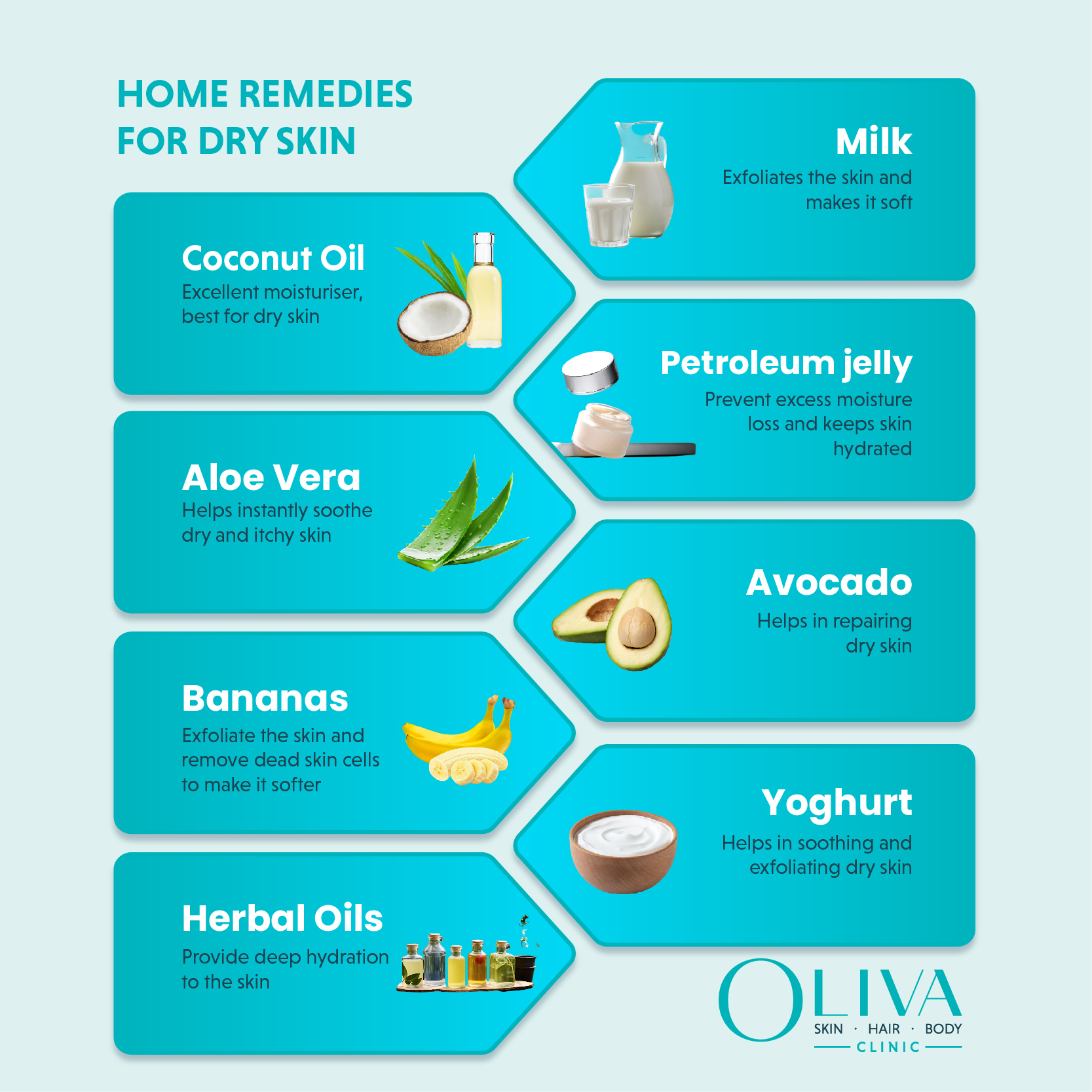
Aloe vera is a go-to for soothing sunburns and irritated skin, but its hydrating properties are truly remarkable. The gel inside the aloe vera leaf is packed with vitamins and antioxidants, making it a powerhouse for hydration. Apply directly to your skin after cleansing.
4. Oatmeal: The Gentle Exfoliator and Hydrator
Oatmeal isn't just for breakfast! It's a gentle exfoliant that can remove dead skin cells, revealing smoother, more hydrated skin underneath. You can make a paste by grinding oatmeal into a fine powder and mixing it with water or milk. Apply to your face, leave it on for 10-15 minutes, and then rinse.
5. Coconut Oil: The Tropical Treat for Your Skin
Coconut oil is another natural wonder. Its rich fatty acids deeply moisturize the skin, leaving it feeling soft and nourished. Apply a small amount of coconut oil to your face and body after showering or bathing, while your skin is still slightly damp.
6. Avocado: The Creamy Hydration Boost
Avocados are bursting with healthy fats, vitamins, and antioxidants. Mash up half an avocado and apply it to your skin as a mask. Leave it on for 20 minutes before rinsing. It's incredibly nourishing and leaves your skin feeling incredibly soft.
7. Yogurt: A Probiotic Powerhouse for Skin Hydration
Plain yogurt, particularly those containing live and active cultures, can work wonders for your skin. The probiotics in yogurt can help balance your skin's microbiome, leading to better hydration and a reduction in inflammation.
8. Essential Oils: Aromatic Hydration
Certain essential oils, like rosehip, lavender, and chamomile, can enhance skin hydration when added to carrier oils like coconut oil or jojoba oil. Always dilute essential oils before applying them to your skin.
Maintaining Skin Hydration: Beyond the Remedies
While these natural remedies are fantastic, achieving and maintaining skin hydration requires a holistic approach. Here are some additional tips:
- Limit your shower time: Long, hot showers can strip your skin of its natural oils.
- Use a gentle cleanser: Avoid harsh soaps that can dry out your skin.
- Exfoliate regularly: Gently removing dead skin cells helps improve hydration and absorption of moisturizers.
- Moisturize daily: Apply a moisturizer morning and night to seal in hydration.
- Protect your skin from the sun: Sun exposure can dry out your skin, so always wear sunscreen.
Natural Remedies for Skin Hydration: Finding What Works for You
Remember, what works for one person might not work for another. Experiment with different natural remedies to find what suits your skin type and preferences best. Pay attention to how your skin reacts and adjust your routine accordingly. And if you have any underlying skin conditions, it's always best to consult a dermatologist before trying new remedies.
Conclusion
Achieving naturally hydrated skin is entirely within your reach. By incorporating these natural remedies and lifestyle changes into your routine, you can unlock a radiant, healthy complexion. Embrace the power of nature and discover the joy of healthy, glowing skin! It's a journey, not a race, so be patient and enjoy the process. Your skin will thank you for it.
Frequently Asked Questions
Q1: How often should I use these natural remedies?
A1: It depends on the remedy and your skin type. Some, like honey masks, can be used once or twice a week, while others, like coconut oil, can be used daily. Start with a few times a week and adjust based on your skin's reaction.
Q2: Are there any side effects to using natural remedies?
A2: While generally safe, some people may experience mild reactions like redness or itching, especially if they have sensitive skin or allergies. Always do a patch test before applying a new remedy to your entire face or body.
Q3: Can I combine different natural remedies?
A3: Yes, but be mindful of potential interactions. Start by combining just two remedies and observe your skin's reaction. Don't overload your skin with too many products at once.
Q4: How long does it take to see results?
A4: You may notice some improvement in skin hydration within a few days, but significant results often take a few weeks of consistent use. Be patient and keep up your routine!
Q5: What should I do if my skin reacts negatively to a natural remedy?
A5: Stop using the remedy immediately and rinse your skin thoroughly. If the reaction is severe, consult a dermatologist.


No comments