

How Stress Affects Your Skin and How to Fix It
Let's be honest, life throws curveballs. Deadlines loom, relationships fray, and sometimes, it all feels a bit too much. And guess what? That stress isn't just messing with your head; it's wreaking havoc on your skin, too! From breakouts to premature aging, the impact of stress on our complexion is undeniable. This article dives deep into how stress affects your skin and, more importantly, how to fix it. So, grab your favorite cozy blanket, and let's get started.
The Stress-Skin Connection: What's Going On Under the Surface?
Think of your skin as a mirror reflecting your overall health. When you're stressed, your body releases hormones like cortisol. While cortisol is essential for short-term stress responses (like that adrenaline rush before a big presentation), chronically high levels can wreak havoc. Cortisol can trigger inflammation, disrupt your skin's natural barrier, and increase sebum production – leading to a whole host of skin problems.
This inflammation can manifest as:
- Acne breakouts: Excess sebum clogs pores, creating the perfect breeding ground for bacteria.
- Eczema flare-ups: Stress can exacerbate existing conditions, making eczema symptoms more severe.
- Psoriasis: Similar to eczema, stress can trigger or worsen psoriasis outbreaks.
- Rosacea: The redness and inflammation associated with rosacea can be significantly intensified by stress.
- Premature aging: Chronic stress accelerates collagen breakdown, resulting in wrinkles, sagging, and a dull complexion. Think of it like constantly stretching a rubber band – eventually, it loses its elasticity.
How Stress Affects Your Skin and How to Fix It: Identifying Your Triggers
Before you can tackle the problem, you need to understand its root cause. What are your main stressors? Is it work, relationships, finances, or a combination of factors? Keeping a journal can be incredibly helpful. Write down when you experience stress and note any changes in your skin. This will help you identify patterns and potentially pinpoint specific triggers.
Stress Management Techniques: Your Skin's Best Friend
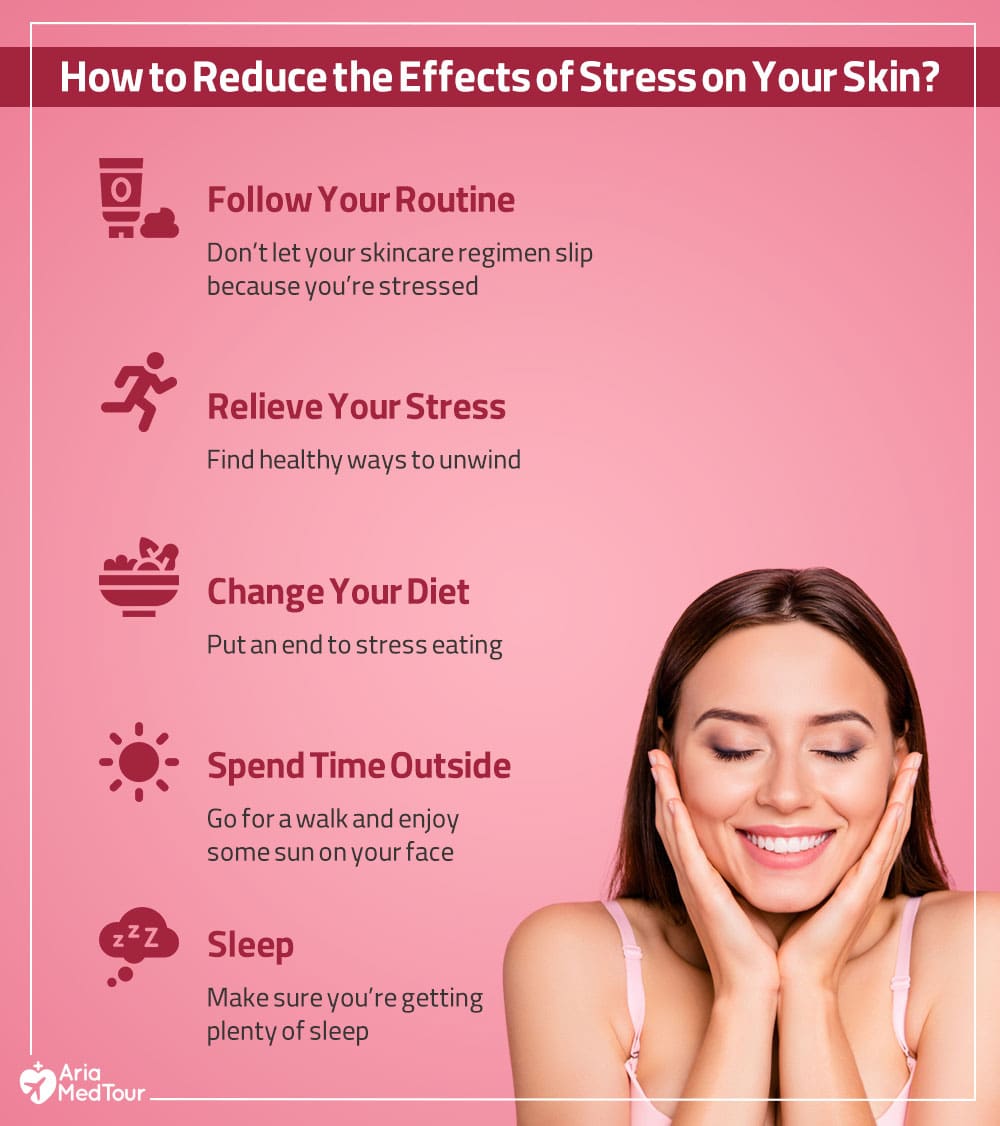
Now that you've identified your triggers, it's time to develop effective stress management techniques. This isn't about magically eliminating stress; it's about learning to manage it better. Here are some strategies that can make a real difference:
- Mindfulness and Meditation: Taking even just a few minutes each day to practice mindfulness or meditation can significantly reduce stress levels. Apps like Calm or Headspace can guide you through the process.
- Exercise: Physical activity is a fantastic stress reliever. Whether it's a brisk walk, a yoga session, or a more intense workout, exercise releases endorphins that improve your mood and reduce stress hormones.
- Yoga and Tai Chi: These ancient practices combine physical postures with mindful breathing and meditation, offering a holistic approach to stress reduction.
- Spend Time in Nature: Studies show that spending time outdoors can significantly lower stress levels. Take a walk in a park, hike in the woods, or simply sit and enjoy the fresh air.
- Prioritize Sleep: Adequate sleep is crucial for skin health and stress management. Aim for 7-9 hours of quality sleep each night.
- Healthy Diet: Nourishing your body with a balanced diet rich in fruits, vegetables, and whole grains can support your skin's health and resilience.
- Limit Caffeine and Alcohol: These substances can exacerbate stress and negatively impact your skin.
- Social Support: Connecting with friends, family, or a support group can provide emotional support and reduce feelings of isolation.
- Hobbies and Interests: Engaging in activities you enjoy can help you relax and de-stress. This could be anything from reading to painting to playing a musical instrument.
How Stress Affects Your Skin and How to Fix It: Skincare Adjustments
Beyond stress management techniques, you can also adjust your skincare routine to support your skin's health. Choose products that are gentle and non-irritating. Look for ingredients like ceramides, hyaluronic acid, and antioxidants, which can help repair and protect the skin's barrier. And remember, less is often more; avoid over-exfoliating or using harsh products, especially when your skin is stressed.
Seeking Professional Help
If you're struggling to manage stress on your own, don't hesitate to seek professional help. A therapist can provide guidance and support, helping you develop coping mechanisms and strategies to manage your stress levels effectively. And if your skin issues are severe, consult a dermatologist to rule out any underlying conditions and develop a personalized treatment plan. Remember, taking care of your mental well-being is just as important as taking care of your physical well-being – they're deeply intertwined!
Conclusion
So, there you have it! We've explored how stress affects your skin and how to fix it. It's a two-pronged approach: managing stress itself and supporting your skin with a gentle, effective skincare routine. It's about creating a holistic approach to well-being, where you nurture both your mind and your skin. Remember, you're worth the effort, and a healthy, glowing complexion is within your reach!
Frequently Asked Questions
Q: Can stress actually cause acne?
A: Yes, absolutely! Stress hormones increase sebum production, leading to clogged pores and breakouts.
Q: How long does it take to see improvements in my skin after managing stress?
A: It varies from person to person. You might see some improvements within weeks, but significant changes could take months, depending on the severity of the issue and the effectiveness of your stress-management techniques.
Q: Are there any specific skincare ingredients that help with stress-related skin problems?
A: Look for calming ingredients like chamomile, aloe vera, and niacinamide. Antioxidants like Vitamin C and E help protect against damage caused by inflammation.
Q: My skin is already sensitive. How can I manage stress without further irritating it?
A: Opt for gentle skincare, focus on stress-reducing techniques like meditation and gentle exercise, and avoid harsh products or over-exfoliating. If you're unsure, consult a dermatologist.
Q: Is it okay to use makeup when my skin is stressed?
A: As long as it's non-comedogenic (won't clog pores) and you remove it thoroughly at night. It's better to let your skin breathe if possible.


No comments