

The Best DIY Face Masks for Every Skin Type
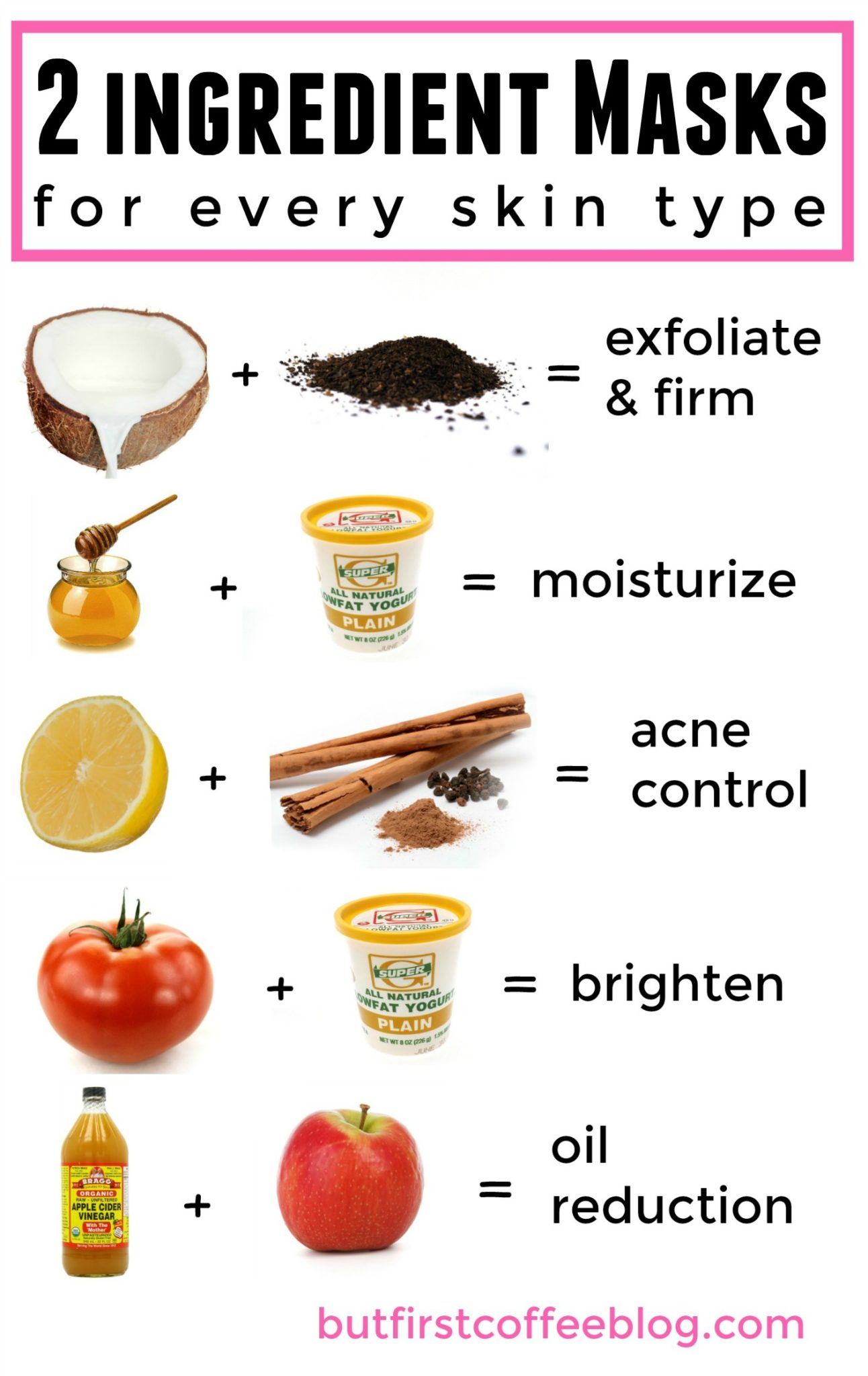
Let's be honest, skincare can get expensive. Those fancy serums and creams? They add up quickly! But what if I told you you could achieve amazing results with simple, affordable ingredients you probably already have in your kitchen? That's the magic of DIY face masks! This guide will walk you through the best DIY face masks for every skin type, so get ready to pamper your skin without breaking the bank (or your heart!).
Understanding Your Skin Type: The First Step
Before we dive into the recipes, let's make sure we're on the same page about skin types. Knowing your skin type is crucial for choosing the right mask. Are you constantly battling oil slicks? Do you have dry patches that just won't quit? Or maybe your skin is a happy medium? Identifying your skin type will help you choose the most effective DIY mask.
- Oily Skin: Characterized by excess oil production, often leading to shine, enlarged pores, and acne breakouts.
- Dry Skin: Lacks moisture, often feeling tight, flaky, and prone to irritation.
- Combination Skin: A mix of oily and dry areas, usually oily in the T-zone (forehead, nose, and chin) and dry on the cheeks.
- Sensitive Skin: Reacts easily to products, often becoming red, itchy, or inflamed.
- Acne-Prone Skin: Susceptible to breakouts, often with blackheads, whiteheads, and pimples.
The Best DIY Face Masks for Every Skin Type
For Oily Skin: The Power of Clay
Oily skin needs a mask that can absorb excess oil and unclog pores. Enter clay masks! Clay is a natural absorbent, helping to mattify the skin and minimize shine. One of the easiest DIY options is a simple bentonite clay mask. Mix one tablespoon of bentonite clay with enough water or apple cider vinegar to create a paste. Apply, let it dry completely (it'll feel tight!), and then rinse with lukewarm water. You'll be amazed at how soft and clear your skin feels afterwards!
For Dry Skin: The Moisturizing Magic of Honey and Avocado
Dry skin needs intense hydration. A honey and avocado mask is the perfect remedy. Simply mash half an avocado and mix it with a tablespoon of honey. This duo is packed with moisturizing and soothing properties. Apply the mask to your face, leave it on for 15-20 minutes, and rinse with lukewarm water. Your skin will feel incredibly soft and supple afterwards – it's like a mini spa treatment at home!
For Combination Skin: Balancing Act
Combination skin needs a mask that balances both oily and dry areas. A yogurt and oatmeal mask is a great option. Mix plain yogurt (it's naturally moisturizing and packed with probiotics) with finely ground oatmeal (a gentle exfoliant). Apply to the face, let it sit for about 15 minutes, and rinse off. The yogurt moisturizes the dry areas, while the oatmeal gently exfoliates the oily areas, resulting in a more balanced complexion.
For Sensitive Skin: The Soothing Touch of Aloe Vera
Sensitive skin needs gentle, non-irritating ingredients. Aloe vera gel is a superhero for sensitive skin. It's known for its anti-inflammatory and soothing properties. Simply apply pure aloe vera gel to your face, leave it on for 15-20 minutes, and rinse. It's simple, effective, and perfect for calming irritated skin.
For Acne-Prone Skin: The Clarifying Power of Turmeric and Lemon
Acne-prone skin needs a mask that clears pores and reduces inflammation. A turmeric and lemon mask can help. Mix a teaspoon of turmeric powder (it has anti-inflammatory and antibacterial properties) with a few drops of lemon juice (a natural astringent). Apply sparingly, as lemon juice can be drying. Leave on for 10-15 minutes and rinse. Remember to always do a patch test before applying this mask to your entire face, as lemon juice can cause irritation in some people.
The Best DIY Face Masks for Every Skin Type: Important Considerations
While these DIY face masks are generally safe and effective, remember a few important things. Always do a patch test on a small area of skin before applying any new mask to your entire face, especially if you have sensitive skin. This helps you check for any allergic reactions. Also, remember consistency is key! Using a mask once a week can greatly improve your skin's overall health and appearance.
And finally, listen to your skin! If a particular mask doesn't agree with you – perhaps it causes irritation or breakouts – stop using it immediately. There are tons of other amazing natural ingredients you can experiment with. Remember that these masks are natural remedies and not substitutes for professional medical advice. If you have severe skin conditions, always consult a dermatologist.
Conclusion
Creating your own face masks at home is a fantastic way to pamper your skin while saving money and using natural ingredients. This guide to the best DIY face masks for every skin type allows you to tailor your skincare routine to your unique needs. By understanding your skin type and choosing the right ingredients, you can achieve a healthy, radiant complexion without emptying your wallet. So grab those kitchen staples, whip up a mask, and enjoy your DIY spa day!
Frequently Asked Questions
- How often should I use a DIY face mask? Generally, once or twice a week is ideal. Overdoing it can irritate your skin.
- Can I store leftover DIY face mask? It's best not to. Many natural ingredients don't preserve well and can spoil quickly, potentially harming your skin.
- What if my skin reacts negatively to a DIY mask? Stop using it immediately and rinse your face thoroughly. If the reaction is severe, consult a dermatologist.
- Are DIY face masks effective? Absolutely! Many natural ingredients have proven benefits for skin health. However, results vary depending on your skin type and the ingredients used.
- Where can I find the ingredients for these DIY face masks? Most of these ingredients are easily found in grocery stores, health food stores, or even your own pantry!


No comments