

How Strength Training Can Boost Your Metabolism
So, you want to rev up your metabolism and shed those extra pounds? You've probably heard that cardio is the key, and while it definitely plays a role, let's talk about a often-overlooked powerhouse: strength training. Believe it or not, lifting weights can be a total game-changer when it comes to boosting your metabolism and achieving your fitness goals. This isn't just some fitness fad; there's real science behind it!
Understanding Your Metabolism: It's More Than Just Calories
Before we dive into the benefits of strength training, let's quickly clarify what metabolism actually is. It's essentially the process by which your body converts food and drinks into energy. This energy fuels everything you do, from breathing to hitting the gym. A faster metabolism means your body burns more calories at rest and during activity. This is crucial for weight management, but it's also vital for overall health and well-being. You want your metabolic engine running smoothly!
How Strength Training Supercharges Your Metabolism
Here's the exciting part: strength training doesn't just burn calories during your workout; it keeps that calorie-torching furnace fired up long after you've put down the weights. Think of it like this: building muscle is like adding a high-performance engine to your car. The more muscle mass you have, the more calories your body burns, even when you're relaxing on the couch!
Here's how it works:
- Increased Muscle Mass: Strength training is all about building muscle. Muscle tissue is metabolically active, meaning it burns more calories at rest than fat tissue. The more muscle you have, the higher your resting metabolic rate (RMR).
- Enhanced Post-Exercise Oxygen Consumption (EPOC): This is often referred to as the "afterburn effect." After an intense strength training session, your body continues to burn calories at an elevated rate for hours, even days, as it recovers and repairs muscle tissue.
- Improved Insulin Sensitivity: Strength training can improve how your body uses insulin, leading to better blood sugar control. This, in turn, can positively impact your metabolism and help prevent weight gain.
- Increased Bone Density: As a bonus, strength training strengthens your bones, reducing your risk of osteoporosis and other bone-related issues.
How Strength Training Can Boost Your Metabolism: Practical Applications
Now that you understand the science, let's talk practical applications. How do you actually incorporate strength training into your routine to maximize its metabolism-boosting effects?
Choosing the Right Exercises
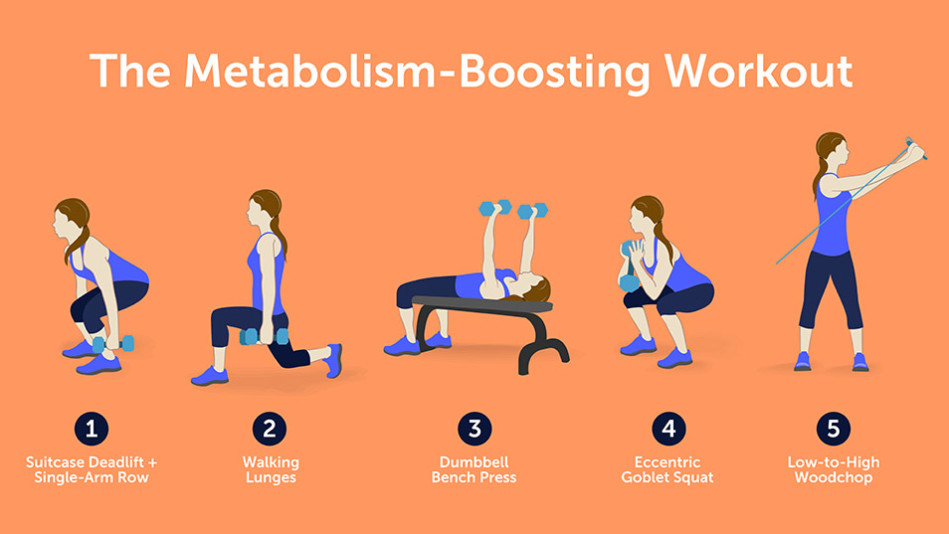
Focus on compound exercises – movements that work multiple muscle groups simultaneously. Think squats, deadlifts, bench presses, overhead presses, and rows. These exercises are highly effective for building muscle mass and increasing your overall metabolic rate.
Workout Frequency and Intensity
Aim for at least two to three strength training sessions per week, allowing for rest days in between. Vary the intensity and exercises to challenge your muscles and keep your body guessing.
Progressive Overload
The key to continuous improvement is progressive overload. This simply means gradually increasing the weight, reps, or sets you lift over time. As your muscles adapt, you need to keep pushing them to continue building muscle and boosting your metabolism.
Debunking Myths about How Strength Training Can Boost Your Metabolism
Let's address some common misconceptions. Many people believe that strength training will make them bulky. This is a myth! Unless you're specifically training for bodybuilding, it's very difficult for women, and even for men, to get "bulky" from strength training alone. The chances are that you'll end up leaner and more toned!
Another myth is that cardio is superior to strength training for weight loss. While cardio is fantastic, combining it with strength training is the ultimate recipe for success. The combination of the calorie burn from cardio and the metabolism boost from strength training creates a powerful synergistic effect.
How Strength Training Can Boost Your Metabolism: Beyond the Physical
The benefits of strength training extend beyond just metabolism and physique. It can significantly improve your mood, reduce stress, and boost your overall sense of well-being. Feeling strong and capable is a fantastic confidence booster!
Conclusion
So, there you have it! Strength training isn't just about looking good; it's a powerful tool for improving your metabolism, promoting weight loss, and enhancing your overall health. It's time to ditch the cardio-only approach and embrace the transformative power of weights. You'll be amazed at the results, both inside and out. Give it a try and experience the difference for yourself!
Frequently Asked Questions
Q: How long does it take to see results from strength training?
A: You may not see dramatic changes overnight, but you should notice improvements in strength and energy levels within a few weeks. Significant changes in body composition usually take several months of consistent training.
Q: Is strength training safe for everyone?
A: Generally, yes, but it's always a good idea to consult your doctor or a qualified fitness professional, especially if you have any underlying health conditions or injuries.
Q: What kind of equipment do I need for strength training?
A: You don't need fancy gym equipment to get started. Bodyweight exercises are a fantastic way to begin, and then you can gradually incorporate dumbbells or resistance bands as you get stronger.
Q: How can I incorporate strength training into a busy schedule?
A: Even short, high-intensity strength training sessions can be effective. Aim for even 20-30 minutes, two or three times a week. You can also do bodyweight workouts at home to save time.
Q: Do I need a personal trainer?
A: A personal trainer can be incredibly helpful, especially if you're new to strength training. They can help you design a safe and effective program, and teach you proper form to prevent injuries. However, it's not strictly necessary to get started. Numerous resources are available online and in books.


No comments