

Why Protein Is Essential for Weight Loss: Your Guide to a Leaner You
The Protein Powerhouse: Understanding its Role in Weight Loss
So, you're trying to lose weight? Great! But have you considered the crucial role protein plays in that journey? It's not just about crunches and cardio; it's about fueling your body correctly. Think of protein as the unsung hero of weight loss – the secret weapon you might not even know you needed.
Why is protein so important? Well, let's dive into the science. Unlike carbs and fats, protein is incredibly satiating. It keeps you feeling fuller for longer, naturally curbing those cravings that often lead to unnecessary snacking. This means fewer calories consumed overall – a key factor in any weight loss plan.
Why Protein Is Essential for Weight Loss: The Science Behind the Success
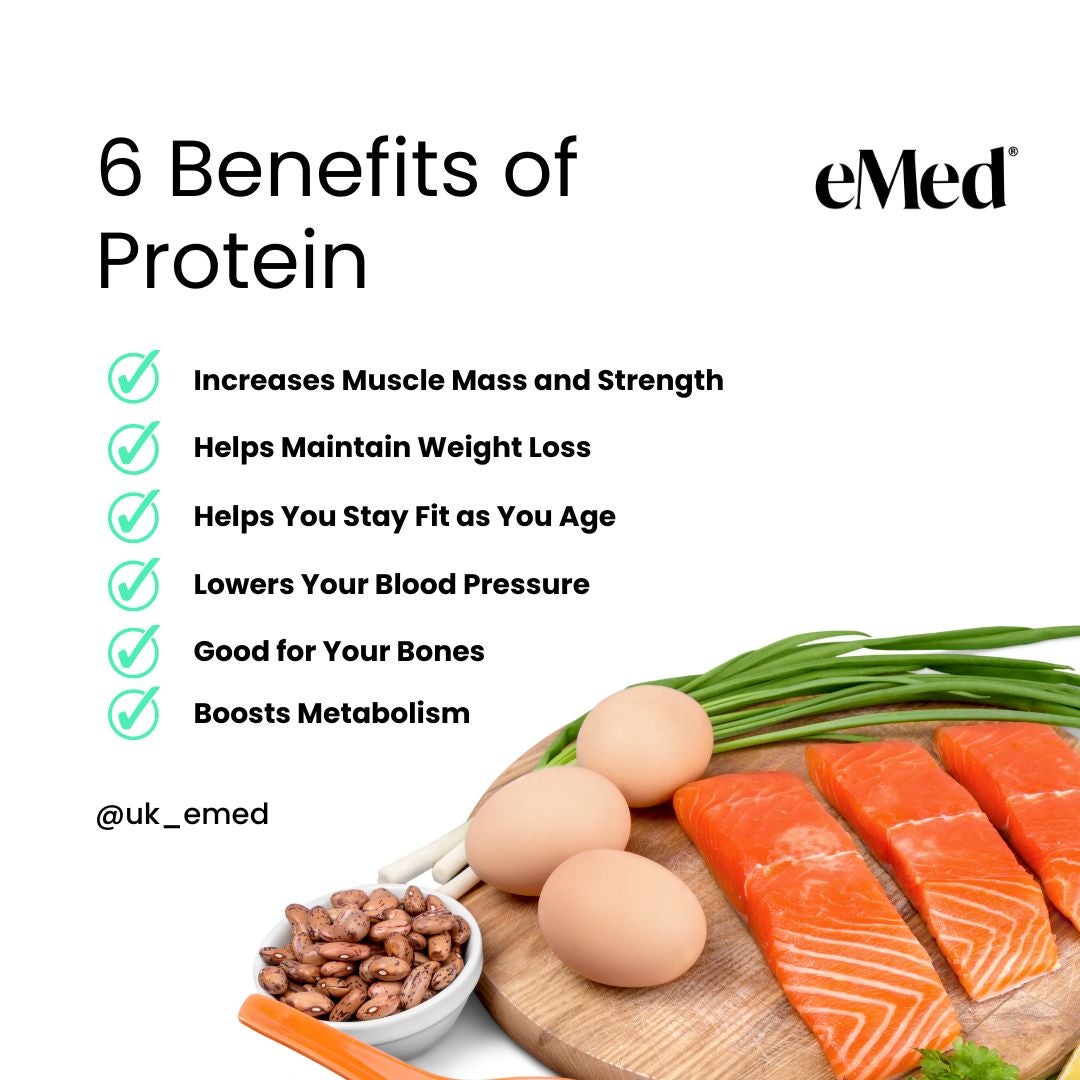
Protein's magic isn't just about feeling full. It also boosts your metabolism, helping your body burn more calories even at rest. This metabolic boost, combined with its satiating properties, makes it a powerhouse for weight management.
Moreover, protein plays a vital role in preserving muscle mass. When you lose weight, you naturally lose some muscle, which can slow down your metabolism. But by incorporating enough protein, you can protect your hard-earned muscle while shedding fat. This is crucial for maintaining a healthy and toned physique.
The Thermic Effect of Protein: Burning Calories While You Rest
Ever heard of the thermic effect of food (TEF)? It refers to the energy your body uses to digest, absorb, and process food. Protein has a higher TEF than carbs and fats, meaning your body burns more calories just by digesting it! It's like getting a mini-workout just from eating!
How Much Protein Do You Need for Weight Loss?
The ideal protein intake varies depending on factors like your age, activity level, and overall health. However, a general guideline is to aim for 1.6-2.2 grams of protein per kilogram of body weight daily. Consult a healthcare professional or registered dietitian for personalized recommendations.
Don't worry about getting too much protein; your body can efficiently process it. Any excess will be used for energy or stored as glycogen, not converted directly into fat.
Why Protein Is Essential for Weight Loss: Incorporating it into Your Diet
Incorporating more protein into your diet doesn't have to be a chore. There are countless delicious and convenient ways to do it.
- Lean meats: Chicken breast, turkey, fish (salmon, tuna)
- Eggs: A versatile source of high-quality protein
- Dairy: Greek yogurt, cottage cheese, milk
- Legumes: Lentils, chickpeas, beans
- Nuts and seeds: Almonds, chia seeds, flax seeds
- Protein powders: Convenient for smoothies or shakes
Experiment with different recipes and find ways to enjoy protein-rich foods. Remember, consistency is key! Make protein a regular part of your diet, and you'll start seeing – and feeling – the benefits.
Beyond the Scales: The Other Benefits of a High-Protein Diet
Weight loss is just one of the many benefits of prioritizing protein. A high-protein diet can also help:
- Increase energy levels: Protein provides sustained energy, unlike the sugar rush and crash from carbs.
- Improve mood and cognitive function: Certain amino acids in protein are crucial for brain health and function.
- Strengthen bones and muscles: Protein is essential for building and repairing tissues.
- Support healthy blood sugar levels: Protein can help regulate blood sugar, which is important for overall health and weight management.
Why Protein Is Essential for Weight Loss: The Bottom Line
In conclusion, while exercise and calorie control are important for weight loss, don't underestimate the power of protein. It's not a magic bullet, but a crucial component of a successful weight loss strategy. Its satiating properties, metabolic boost, and muscle-preserving effects make it a game-changer. So, make protein your new best friend in your weight loss journey. You won't regret it!
Frequently Asked Questions
Q: Can I get too much protein?
A: While it's difficult to get too much protein from whole foods, excessive intake from supplements could strain your kidneys. Stick to recommended daily allowances, and consult a healthcare professional if you have concerns.
Q: Does protein make you gain weight?
A: No, protein itself doesn't directly lead to weight gain. Excess calories from *any* macronutrient (protein, carbs, or fat) can cause weight gain. Focus on a balanced diet and appropriate portion sizes.
Q: What are some good sources of protein for vegetarians and vegans?
A: Excellent options include lentils, beans, tofu, tempeh, quinoa, edamame, nuts, seeds, and various plant-based protein powders.
Q: Is it better to eat protein in the morning or at night?
A: There's no single best time. Distribute protein intake throughout the day, ensuring you consume enough at every meal. However, some people find that having protein before bed can aid muscle recovery overnight.
Q: Can I lose weight solely on a high-protein diet?
A: While a high-protein diet can be beneficial for weight loss, it's crucial to combine it with regular exercise and a balanced diet for optimal results. A highly restrictive approach might lead to nutrient deficiencies and other health issues.


No comments