

How to Improve Your Sleep Quality as a Man: The Ultimate Guide
Let's be honest, fellas. Sleep. It's something we all need, but often struggle with. Between work stress, family life, and the general chaos of modern living, getting a truly restful night's sleep can feel like winning the lottery. But what if I told you that improving your sleep quality as a man isn't about luck, but about making smart choices? This guide is your roadmap to better sleep, helping you reclaim those precious hours of rest and rejuvenation.
Understanding the Male Sleep Challenge
Men and women experience sleep differently. Hormonal variations, stress responses, and even societal expectations can impact how we sleep. Many men find themselves battling insomnia, sleep apnea, or simply waking up feeling unrefreshed. This isn't just about feeling tired; it's about impacting overall health, mood, and performance. So, let's dive into practical strategies to turn things around.
Optimize Your Sleep Environment: Setting the Stage for Success
Your bedroom should be your sanctuary, a haven for relaxation and rest. Think of it like this: if you wouldn't relax in a messy, cluttered office, why would you expect to relax in a messy, cluttered bedroom? Here's how to optimize your sleep environment:
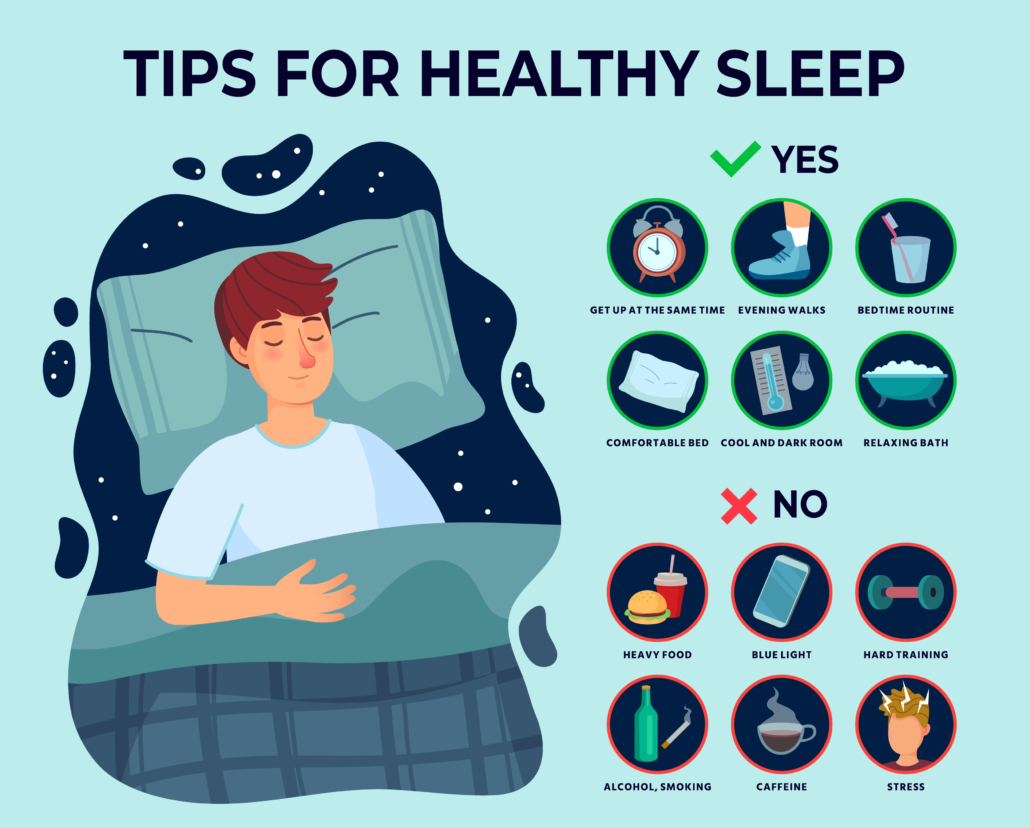
- Darken the room: Invest in blackout curtains or a sleep mask to block out all light. Even a small amount of light can disrupt your sleep cycle.
- Quiet the noise: Use earplugs, a white noise machine, or a fan to minimize distracting sounds. A peaceful environment is crucial for falling asleep and staying asleep.
- Cool it down: A slightly cool room (around 65 degrees Fahrenheit) is ideal for sleep. Overheating can disrupt your sleep.
- Comfortable bedding: Invest in a comfortable mattress, pillows, and sheets. This is an investment in your health and well-being!
- Declutter: A clean and organized space promotes relaxation. A cluttered room can actually increase stress and anxiety, making it harder to sleep.
Master Your Sleep Schedule: Consistency is Key
Think of your sleep schedule like training for a marathon; consistency is key. Aim for a regular sleep-wake cycle, even on weekends. This helps regulate your body's natural sleep-wake rhythm (circadian rhythm). Going to bed and waking up at roughly the same time each day, even on weekends, will significantly improve your sleep quality.
How to Improve Your Sleep Quality as a Man: Diet and Exercise
What you eat and how you move impacts your sleep. Let's tackle both:
Diet: Fueling Restful Sleep
- Avoid large meals before bed: Give your body time to digest before hitting the hay. A heavy meal before bed can lead to indigestion and discomfort, disrupting your sleep.
- Limit caffeine and alcohol: Both caffeine and alcohol can interfere with sleep, even if consumed hours before bedtime. Opt for calming drinks like chamomile tea instead.
- Hydrate properly: Drink enough water throughout the day, but avoid excessive fluid intake close to bedtime to reduce nighttime bathroom trips.
Exercise: The Sleep-Boosting Workout
Regular exercise is a game-changer, but timing matters. Avoid intense workouts close to bedtime. Aim for moderate exercise earlier in the day to improve sleep quality without interfering with your nightly rest.
Stress Management: Calming Your Mind for Better Sleep
Stress is a major sleep thief. For many men, stress stems from work, finances, relationships, or a combination of factors. Learning to manage stress is crucial for improving sleep quality as a man. Here are some effective strategies:
- Meditation and mindfulness: Even a few minutes of daily meditation can significantly reduce stress and improve sleep.
- Yoga: Yoga combines physical postures, breathing techniques, and meditation, making it a powerful tool for stress reduction.
- Deep breathing exercises: Simple deep breathing exercises can help calm your nervous system and prepare your body for sleep.
- Spend time in nature: Connecting with nature has been shown to reduce stress and improve mood, leading to better sleep.
Addressing Underlying Medical Conditions
Sometimes, poor sleep is a symptom of an underlying medical condition, such as sleep apnea, restless legs syndrome, or other sleep disorders. If you suspect an underlying medical condition is affecting your sleep, it's crucial to seek professional medical advice.
How to Improve Your Sleep Quality as a Man: Creating a Relaxing Bedtime Routine
A consistent bedtime routine signals to your body that it's time to wind down and prepare for sleep. Think of it as training your body for sleep. Here are some ideas:
- Warm bath or shower: A warm bath or shower can help relax your muscles and prepare your body for sleep.
- Read a book: Escape into a good book to distract your mind from the day's worries.
- Listen to calming music: Soothing music can help relax your mind and body.
- Avoid screens: The blue light emitted from screens can interfere with melatonin production, making it harder to fall asleep.
Conclusion
Improving your sleep quality as a man isn't about a magic pill; it's a holistic approach that involves making conscious choices in your daily life. By implementing the strategies discussed in this guide, you can take control of your sleep, reclaim your energy, and improve your overall well-being. Remember, consistency and patience are key. Start small, focus on one or two changes at a time, and gradually build towards a healthier sleep routine. You deserve a good night's sleep—go get it!
Frequently Asked Questions
Q: I still feel tired even after following these tips. What should I do?
A: If you're consistently tired despite making lifestyle changes, it's important to consult a doctor or sleep specialist. They can rule out any underlying medical conditions and recommend further strategies for improving your sleep.
Q: How long does it take to see results?
A: Everyone is different. Some people see improvements within a week, while others may take several weeks to notice a significant difference. Be patient and consistent with your efforts.
Q: Is it okay to take sleeping pills?
A: Sleeping pills can be helpful in the short term, but they are not a long-term solution. It's crucial to address the underlying causes of your sleep problems and consult your doctor before using sleeping pills.
Q: My partner snores loudly. How can I get better sleep?
A: Loud snoring might indicate sleep apnea. Encourage your partner to see a doctor. Meanwhile, earplugs can help block out the noise, and separate bedrooms might be a temporary solution.
Q: What's the difference between sleep quality and sleep quantity?
A: Sleep quality refers to how well you sleep, while sleep quantity refers to how much you sleep. You can get eight hours of sleep but still wake up feeling unrefreshed if the quality was poor. This guide focuses on improving both aspects.


No comments