

Conquering Cravings: Your Guide to How to Manage Cravings While Dieting
Let's face it, dieting is tough. You're restricting yourself, and your body (and mind!) are screaming for that sugary donut or salty bag of chips. The struggle is real, but it doesn't have to be a losing battle. This guide will equip you with the tools and strategies you need to successfully navigate those pesky cravings and finally achieve your weight loss goals. We'll cover everything from understanding the root of your cravings to developing lasting habits that will keep those cravings at bay. So buckle up, because this journey starts now!
Understanding the Craving Beast: Why Do We Crave?
Before we dive into solutions, let's tackle the "why." Why do cravings even exist? It's more complicated than simply "lack of willpower." Sometimes, cravings stem from genuine nutritional deficiencies. Your body might be signaling that it needs specific nutrients, and the easiest way it knows how to communicate this is through intense cravings for foods rich in those nutrients. For example, a chocolate craving might be your body's way of saying, "Hey, I need magnesium!"
Other times, cravings are linked to emotional triggers. Stress, boredom, sadness, or even happiness can trigger intense cravings as a coping mechanism. Think about it—how often do you reach for comfort food when you're feeling down? Finally, cravings can also be triggered by habit. If you're used to having a sugary snack with your afternoon coffee, your body might start craving that sugar at the same time every day, regardless of whether you truly need it.
How to Manage Cravings While Dieting: Practical Strategies
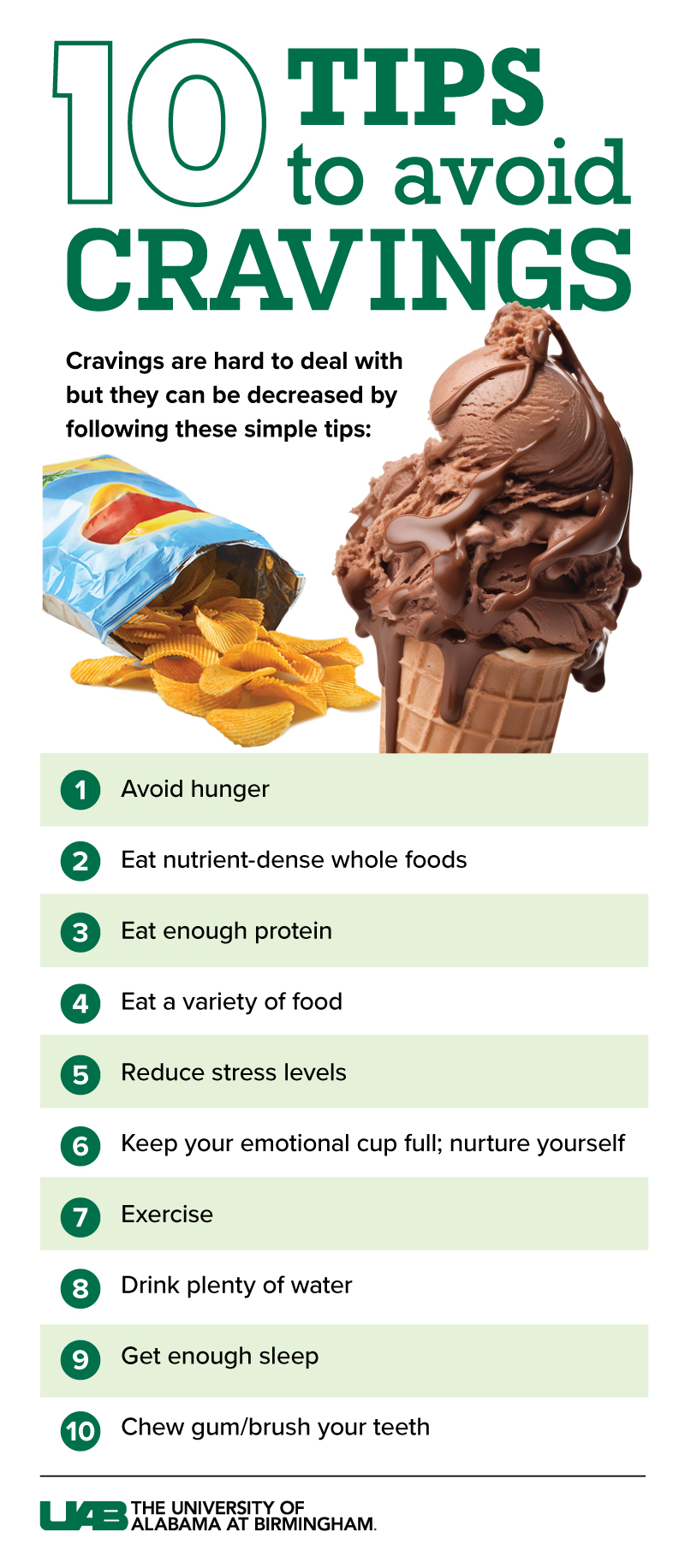
Now that we understand the "why," let's focus on the "how." Here are some practical strategies to help you conquer your cravings:
1. Identify Your Triggers
Keeping a food journal can be a game-changer. Note down what you eat, when you eat it, and how you're feeling beforehand. Identifying patterns – are you craving chocolate after a stressful day? Or salty snacks when you're bored? – is the first step towards breaking the cycle. Once you understand your triggers, you can proactively address them.
2. Prioritize Protein and Fiber
These are your secret weapons! Protein and fiber keep you feeling full and satisfied for longer, reducing the likelihood of intense cravings. Think lean meats, fish, beans, lentils, vegetables, and whole grains. Incorporating them into every meal is key.
3. Stay Hydrated
Sometimes, we mistake thirst for hunger. Before reaching for a snack, drink a large glass of water. It might just be what you need!
4. Listen to Your Body's Signals
Are you truly hungry, or are you just bored? Often, we eat out of habit or emotion, not genuine hunger. Pay attention to your body's cues. Learn to distinguish between true hunger and cravings. Take a moment before reaching for that treat. Are you truly hungry or are you just looking for comfort?
5. Manage Stress Effectively
Stress eating is a real thing! Find healthy ways to manage stress, such as exercise, yoga, meditation, or spending time in nature. These activities will help you reduce your reliance on food for emotional comfort.
6. Plan Ahead
Preparation is key. Pack healthy snacks for work or outings to avoid impulsive decisions when hunger strikes. Having healthy options readily available prevents you from reaching for less-than-ideal choices when cravings hit.
7. Don't Deprive Yourself
Extreme dieting often backfires. Allow yourself occasional treats in moderation. Deprivation leads to binge eating, so find a balance that works for you. This helps prevent that all-or-nothing mindset and makes your diet more sustainable.
8. Get Enough Sleep
Lack of sleep disrupts hormones that regulate appetite, leading to increased cravings. Aim for 7-9 hours of quality sleep per night.
9. Seek Support
Surround yourself with a supportive network. Talk to friends, family, or a therapist about your struggles. Having a support system makes a world of difference. Consider joining a weight loss group or finding an accountability partner.
10. Consider Professional Help
If you're struggling to manage cravings on your own, don't hesitate to seek professional help. A registered dietitian or therapist can provide personalized guidance and support.
How to Manage Cravings While Dieting: Long-Term Habits
Developing healthy habits is crucial for long-term success. Think of it as building a strong foundation. Here are some tips to help you establish lasting habits:
- Gradually reduce your intake of unhealthy foods. Don't go cold turkey; it's harder to maintain.
- Find healthy substitutes for your favorite unhealthy snacks. For example, swap chips for air-popped popcorn.
- Focus on whole, unprocessed foods. They're naturally more filling and nutritious.
- Be patient and kind to yourself. It's a journey, not a race.
Conclusion: You've Got This!
Managing cravings while dieting is a marathon, not a sprint. It requires patience, self-awareness, and consistent effort. By understanding the root causes of your cravings and implementing the strategies discussed above, you can effectively manage those cravings and achieve your weight loss goals. Remember, you are not alone in this journey. Be kind to yourself, celebrate your successes, and don't give up! You've got this.
Frequently Asked Questions
Q1: What if I have a craving and I don't have a healthy snack on hand?
A1: Drink water, distract yourself, or try a small portion of a healthier alternative. It's about finding a compromise and not letting a momentary lack of preparedness derail your progress.
Q2: How do I deal with emotional eating?
A2: Identify your emotions and find alternative coping mechanisms – exercise, journaling, meditation, spending time with loved ones. Learn to associate positive feelings with activities outside of food.
Q3: Are there any foods that can help curb cravings?
A3: High-protein foods, fiber-rich foods, and foods with healthy fats can keep you feeling full and satisfied. Think almonds, avocados, Greek yogurt, and whole grains.
Q4: Is it okay to have cheat meals?
A4: Yes, but in moderation. A planned cheat meal can help prevent feelings of deprivation and maintain long-term adherence to your diet. Just be mindful of portion sizes and don't let it derail your progress.
Q5: How long does it take to break a craving habit?
A5: It varies from person to person, but it generally takes time and consistent effort. Be patient with yourself, and celebrate small victories along the way. Remember consistency is key.


No comments